Day in the Life of Violet the Volunteer
- Kerry Shanahan

- Apr 10
- 4 min read
Updated: Apr 15
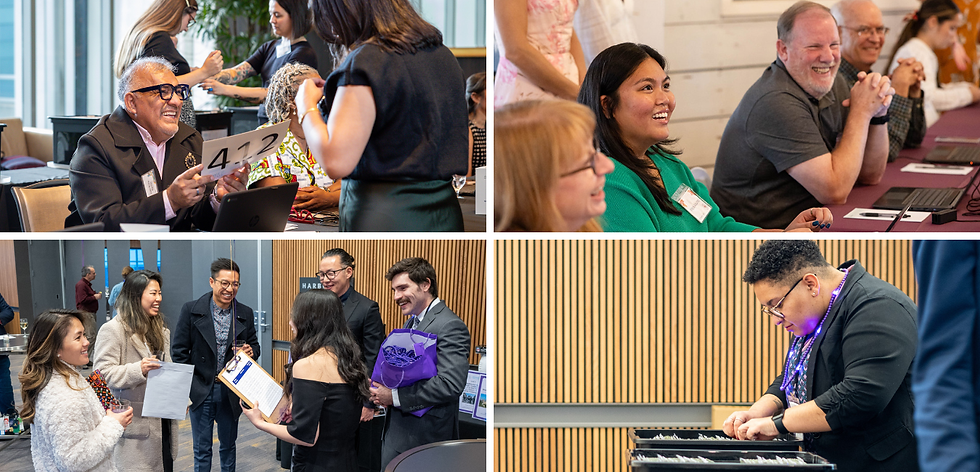
Volunteers are the backbone of almost every nonprofit event. Volunteers greet guests, sell raffle tickets, direct traffic, help with check-in, and keep the evening running smoothly behind the scenes.
But how often do we stop and think about the event from their perspective?
To understand how volunteers experience your fundraiser, let’s walk through a typical event day through the eyes of one volunteer. Because when volunteers feel supported, appreciated, and confident in their role, they become some of your strongest advocates.
Arrival: First Impressions Matter
It’s late afternoon, and our volunteer, Violet, arrives at the venue. She’s excited to help, but also a little nervous.
She scans the parking lot and checks her email again.
Did the organization send instructions on where to park?
Does she know exactly where to enter the building?
Is there a clear meeting location?
When volunteers receive clear communication ahead of time—arrival instructions, parking information, and the name of the volunteer coordinator they should check in with—it immediately sets them at ease.
Violet received clear instructions and all the information, so instead of wandering around looking for someone in charge, she walks in feeling prepared and welcomed.
A good volunteer experience starts long before the event begins.
Setup: Feeling Useful and Prepared
After checking in with the volunteer coordinator, Violet joins the setup crew.
She will be helping place centerpieces, organizing silent auction displays, and preparing registration materials. These early tasks are important, but they can also feel intimidating if instructions aren’t clear.
This is where a pre-designated volunteer coordinator or staff lead becomes essential. When one person is clearly responsible for guiding volunteers, everything runs more smoothly. The coordinator can walk through the setup plan, explain where things go, answer questions, and make sure everyone has the tools they need.
Without that clear point of contact, volunteers often find themselves asking each other what to do next—or worse, waiting around, unsure how to help. But when a coordinator is present and proactive, volunteers feel supported and confident in their roles.
Violet’s volunteer coordinator briefed her on all instructions, and Violet knows who to ask if she has additional questions.
During the Event: Small Moments of Recognition
Throughout the evening, Violet will continue helping where she’s needed.
She will guide guests to their tables, answer questions about the auction, and help with transitions between program elements.
One thing makes a big difference during this time: acknowledgment.
A quick thank-you from staff.
A check-in from the volunteer coordinator.
A moment of appreciation during the program.
Volunteers don’t expect the spotlight. But when someone notices their effort, it reinforces that their contribution matters.
Violet was thanked by a board member who was also helping to greet guests, and the volunteer coordinator has continued to check in with her all night. Finally, the organization provided a small token of appreciation and a thank-you gift bag: small treats, a water bottle, and some swag from the organization. All these efforts have made her feel recognized and appreciated during the evening.
Checkout: The Controlled Chaos
As the program wraps up, guests begin heading toward checkout.
This is often the busiest moment of the night.
Guests are collecting auction items, finalizing payments, and making their way out the door. Volunteers jump in to help direct traffic, organize items, and keep the process moving.
By this point in the evening, Violet has already been working for several hours. She is tired, and her role has shifted—from selling raffle tickets and greeting guests earlier in the night to now helping with checkout. She could be feeling a little overwhelmed if these jobs haven’t been clearly defined.
That’s why a quick retraining or reset before checkout begins is so important. A volunteer coordinator should gather the team, explain exactly what will happen during checkout, assign clear roles, and walk through the process step-by-step. Where do guests line up? Who is distributing auction items? Who is answering questions? Who is directing traffic?
When volunteers know exactly what’s expected of them, the energy shifts. What could feel chaotic instead becomes organized teamwork.
The Goodbye: The Moment That Matters Most
Finally, the last guest leaves.
Volunteers help pack up the remaining materials and clear the room. Everyone is tired, but there’s also a sense of accomplishment.
Before heading home, the volunteer coordinator gathers the team.
The volunteer coordinator offers genuine thanks, shares how Violet helped to make the night a success, and promises to be in touch for future volunteering opportunities. In that moment, the Violet feels appreciated. She understands the impact of the event and the role she played in making it happen.
And as she heads home, she’s already thinking: I’d love to do this again next year!
The Takeaway
When volunteers have a positive experience, they don’t just help for one night. They come back. They bring friends. They become champions for your mission.
But that only happens when their experience is thoughtfully designed. Offer clear communication, defined roles, support throughout the evening, and sincere gratitude at the end.
Because when you take care of your volunteers, they take care of your event.
Ready to make sure your volunteers feel prepared, supported, and appreciated at your next event? Click here to schedule a consultation.